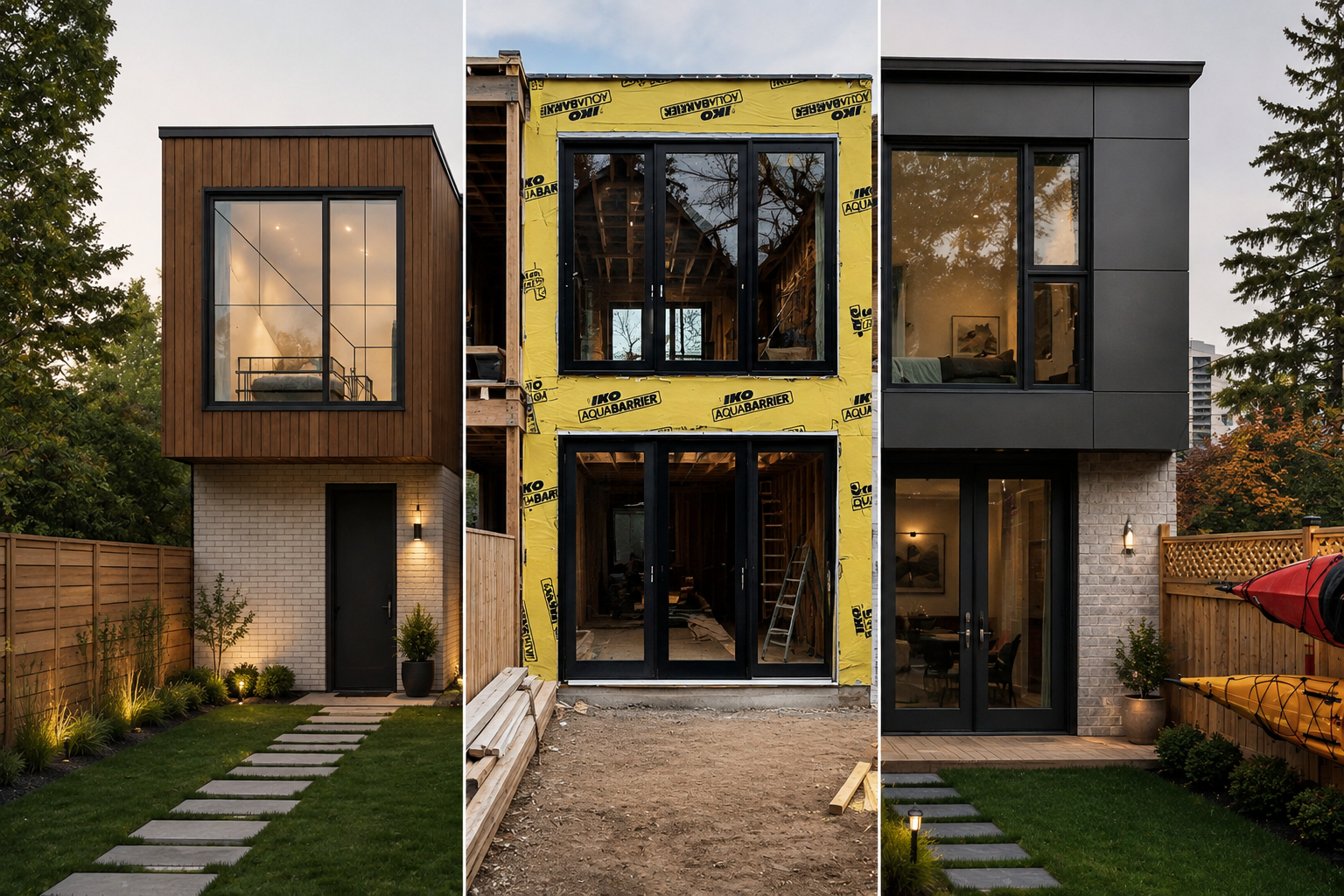
One of the most confusing things about building a secondary dwelling in Metro Vancouver is that the same basic idea goes by different names, and follows meaningfully different rules, from one municipality to the next. The reason comes down to a single distinction that shapes everything else.
The core distinction: lane or no lane
A laneway house specifically requires the lot to abut a public lane. Vancouver has used that exact term since it allowed laneway houses as-of-right in 2009, and Burnaby's Small-Scale Multi-Unit Housing bylaw uses the same "laneway home" language. In both cities, the lane is the defining feature, the dwelling is sited off it, and access runs from it.
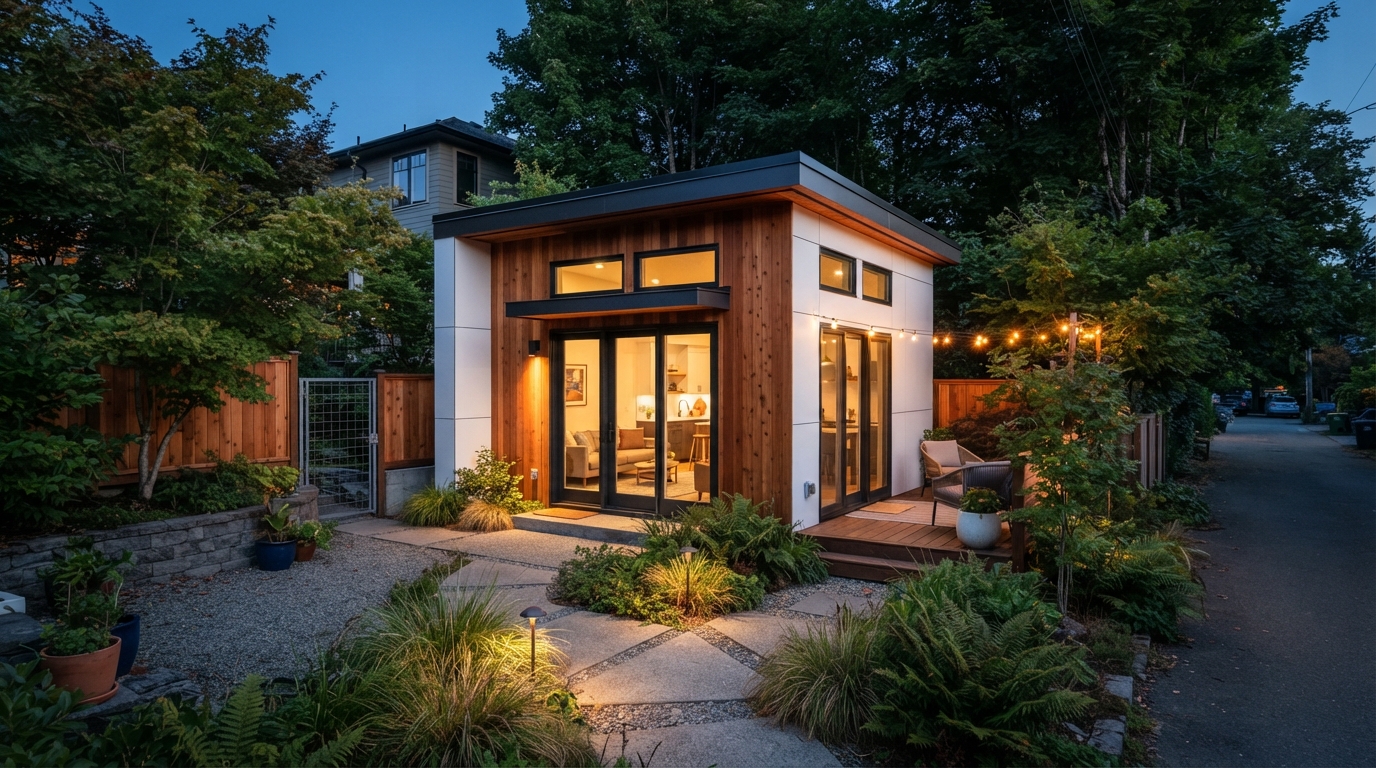
Most other municipalities in this region don't have that laneway grid to the same degree, so the same secondary dwelling is called a garden suite or coach house instead, and it's sited in the backyard rather than off a lane. The building is the same idea, a detached, self-contained second home on a single-family lot, but the name and the siting rules change because the lot configuration changes.
Which term applies where
At a glance, here's how each municipality in our service area refers to the product:
| Municipality | Local term |
|---|---|
| Vancouver | Laneway house |
| Burnaby | Laneway home |
| Richmond | Garden suite |
| North Vancouver | Coach house |
| Delta | Coach house / garden suite |
| Surrey | Coach house / garden suite |
| Coquitlam | Garden suite (under SSMUH) |
The terminology matters because it's the first signal of which rule set applies to your property, and which page on this site has the real, current numbers for your municipality.
Not sure which rules apply to your lot?
We'll confirm what your property qualifies for, no obligation.
Beyond terminology, the numbers differ too
The name is only the start. The actual size, height, and setback limits, and the unit allowances, also differ meaningfully by city, and even by zone within a city. Rather than restate every figure here and risk them drifting out of date, we keep the real, current numbers on each city's own page. If you want to see what specifically applies where you live, follow the link for your municipality:
The short version: don't assume the rules from one city carry over to the next. A lot that qualifies for one thing in Vancouver may qualify for something quite different a few kilometres away in Richmond or Coquitlam, and the only reliable way to know is to check the bylaw for the specific municipality.